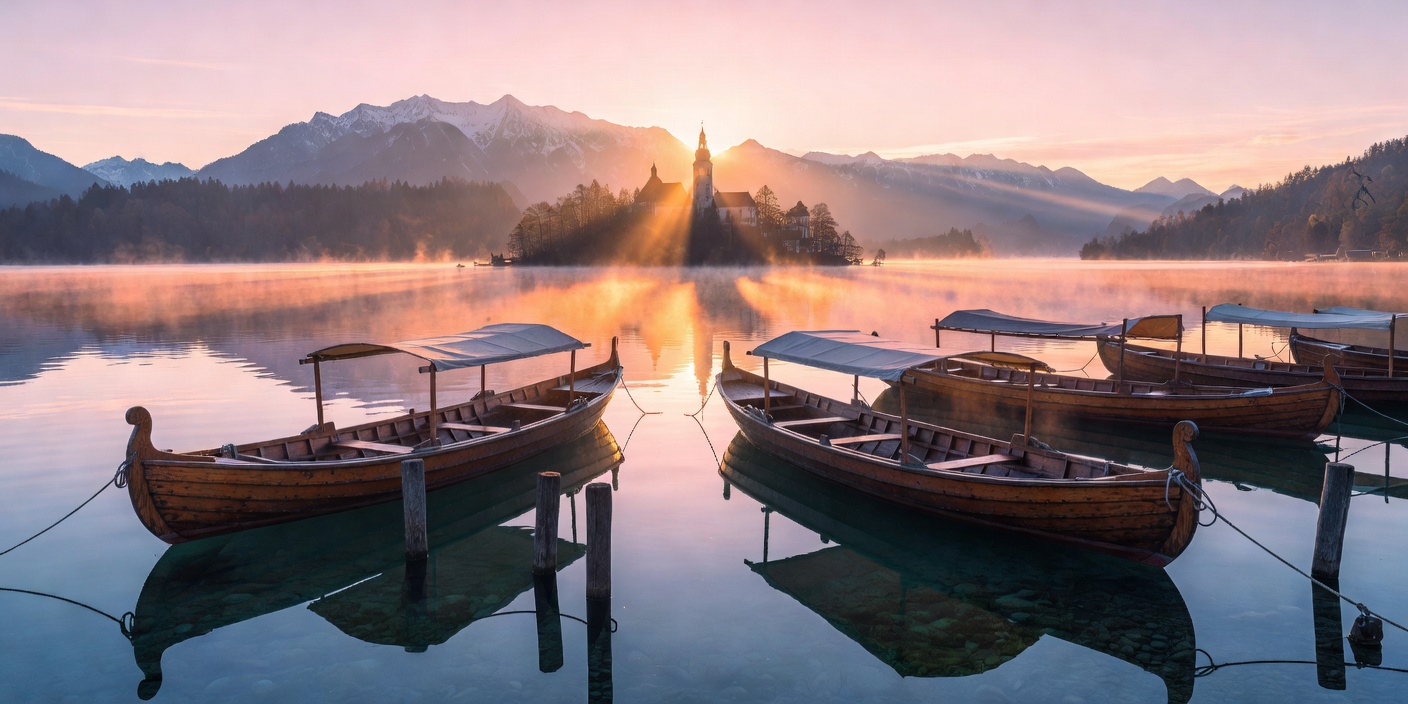
Geographical Formations: Glacial Origins & Thermal Springs
Lake Bled and Lake Bohinj represent two interconnected yet distinct chapters of Upper Carniola's glacial evolution. During the last glacial maximum, the enormous Bohinj Glacier carved deep troughs through the Southern Limestone Alps. As temperatures rose, the glacier retreated west, leaving behind Lake Bohinj—a pristine, high-volume basin fed by subterranean alpine springs—while carving a smaller eastern basin in Bled, where tectonic fault lines introduced warm geothermal thermal springs directly into the lake bed.
Unlike purely glacial alpine tarns that remain near freezing year-round, Lake Bled reaches an inviting 22°C to 24°C between July and August, tempered by sub-aquatic warm mineral waters. In contrast, Lake Bohinj, situated within the strict ecological boundaries of Triglav National Park, retains a crisp, untamed alpine chill, rarely climbing past 19°C even at midday in August.
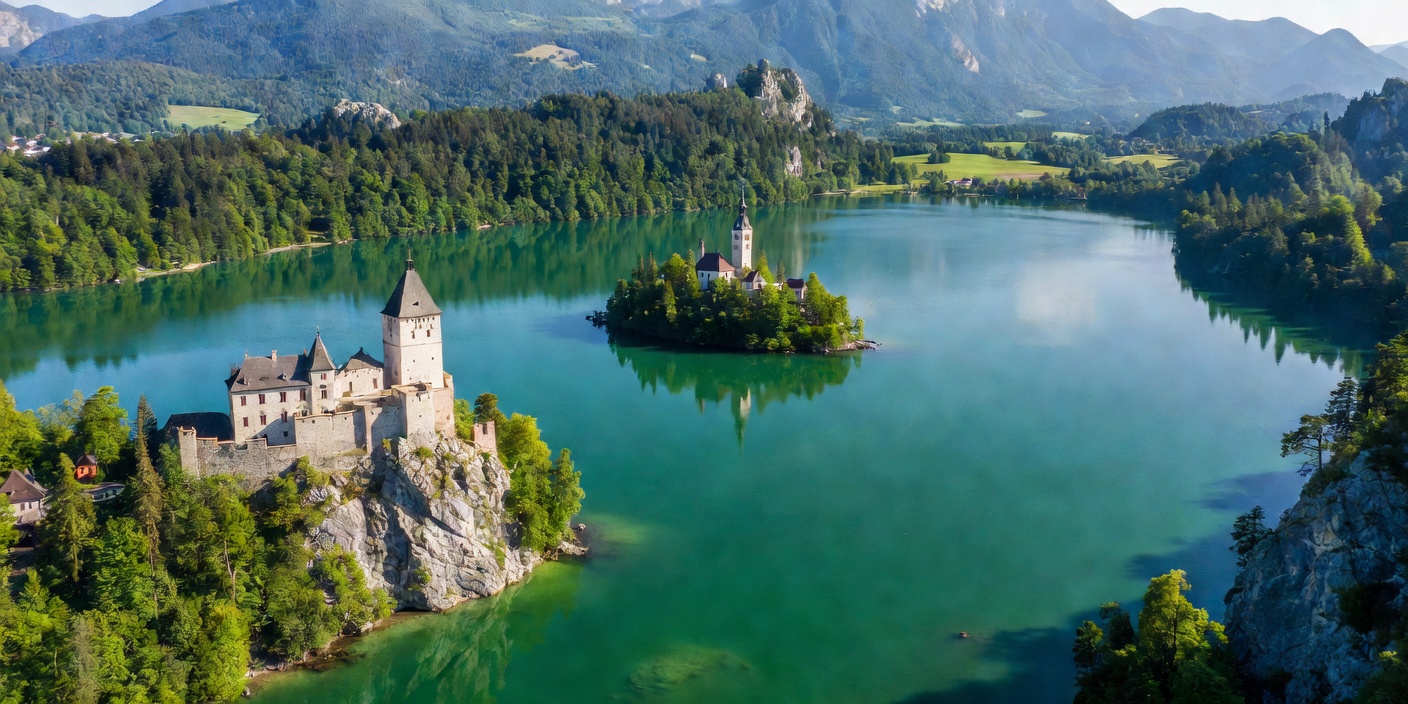
Lake Bled: Medieval Bastions and Pletna Navigation
Lake Bled's cultural landscape is centered on two architectural landmarks: the precipitous Bled Castle (Blejski grad) and the Pilgrimage Church of the Assumption situated on the solitary teardrop island.
Bled Castle, documented as early as 1004 AD by Emperor Henry II, commands a sheer 130-meter limestone precipice overlooking the lake. The castle compound incorporates Romanesque defensive towers, a Gothic chapel adorned with 16th-century frescoes, and a reconstructed Gutenberg printing press museum. Reaching the castle requires either a demanding 20-minute uphill stair climb from the lakefront pathway (Mala Zaka trailhead) or vehicular arrival via the northern switchback access road.
The Pletna Rowing Guild Tradition
Water transit to Bled Island is regulated by the centuries-old Pletnarstvo guild. These flat-bottomed wooden boats, known as pletnas, date back to the reign of Maria Theresa. Propelled by single standing oarsmen using the synchronized stehruder rowing technique, passenger capacity is capped at 18. Alternatively, solo travelers can rent self-rowed wooden rowboats from Velika Zaka for independent island landings.
Upon stepping onto Bled Island's stone landing dock, visitors must ascend the monumental 99-step South Baroque Staircase, built in 1655. Tradition dictates that a groom must carry his bride up all 99 steps in silence before ringing the 1534 wishing bell inside the central nave.
Lake Bohinj: Wilderness Preservation in Triglav National Park
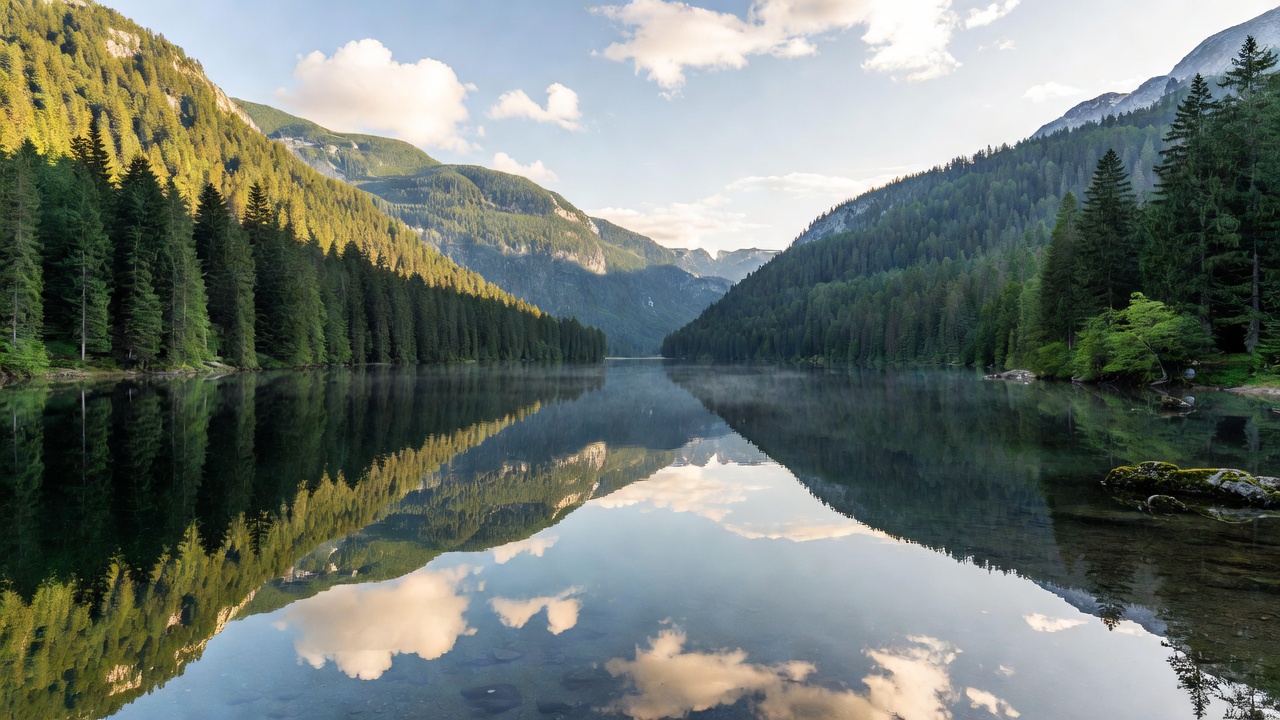
Driving 28 kilometers west along Regional Road 209 transitions travelers from Bled's manicured, regal ambiance to Bohinj's untamed natural majesty. Spanning 3.18 square kilometers, Bohinj is Slovenia's largest natural permanent lake. Strict environmental bylaws enforce a complete ban on combustion-engine watercraft, safeguarding its extraordinary water clarity where schools of wild brown trout and Arctic char are visible at depths exceeding 8 meters.
The eastern tip of the lake is guarded by the Church of St. John the Baptist (Cerkev sv. Janeza Krstnika) in the village of Ribčev Laz. Featuring 14th-century Gothic frescos and a stone-arched bridge, this site serves as the hub for kayak, canoe, and paddleboard rentals. For hikers, the unpaved northern shore route (11.5 km circumference loop) delivers quiet seclusion through beech and spruce canopies, free from vehicle noise.
Strategic Excursions: Vogel Cableway and Savica Waterfall
Two essential day trips extend the Bohinj perimeter:
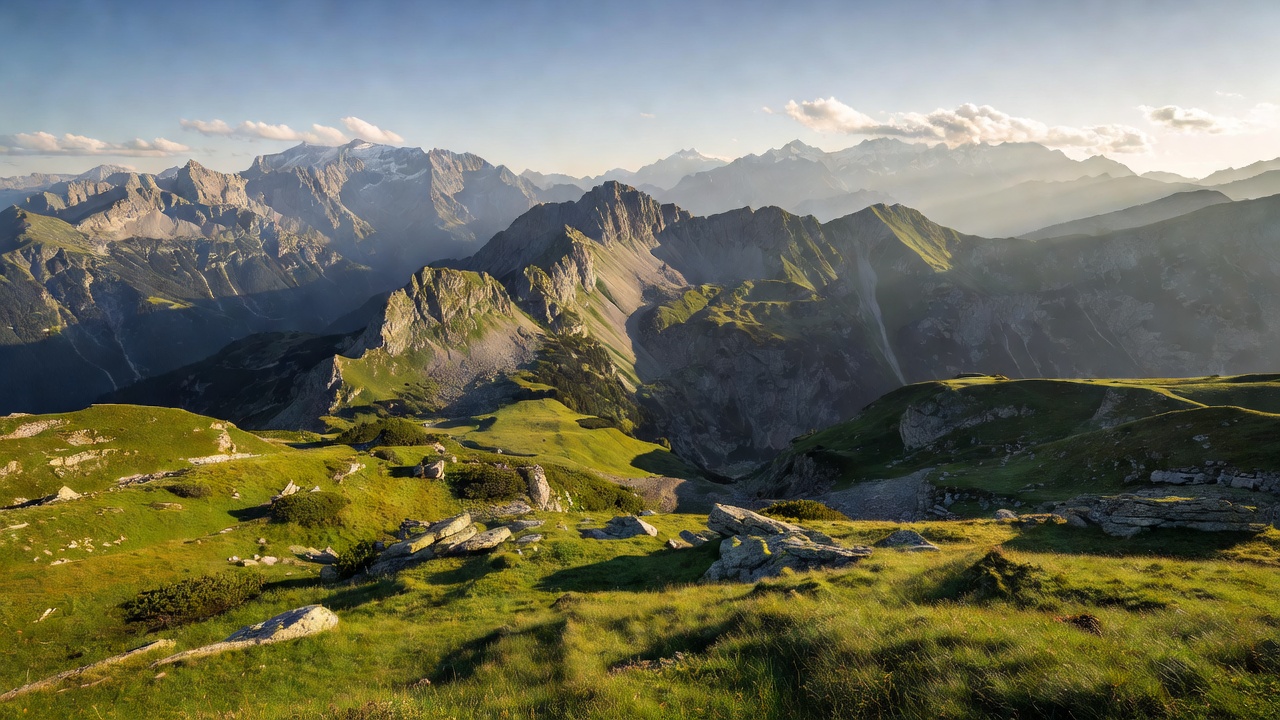
- Vogel High-Altitude Ski & Hike Area: Departing from Ukanc, the Vogel Cable Car ascends from 569 meters to 1,535 meters in under 5 minutes. The upper observation platform provides sweeping vistas of Mount Triglav's triple peak and the Seven Triglav Lakes Valley. During summer, gentle family-friendly alpine meadow walks lead to remote dairies producing traditional Bohinjski sir (Bohinj hard cheese).
- Slap Savica (Savica Waterfall): Located 4 km west of Ukanc, the Savica stream surges violently out of a fissure inside the Komarča cliff face, plunging 78 meters into a deep emerald pool. A well-constructed stone stair trail (553 steps, approximately 25 minutes of steady ascent) winds through moss-covered alpine forest to the protected viewing pavilion.
Tactical Transit & Lodging Logistics
Connecting Ljubljana to the lakes is effortless via the A2 motorway (Karavanke direction), exiting at Lesce/Bled. Express coaches depart Ljubljana's central bus station every 30 to 60 minutes, arriving in Bled in 1 hour 15 minutes, with ongoing service continuing directly to Bohinjska Bistrica and Ribčev Laz. For rail travelers, Lesce-Bled station serves international mainlines, while Bled Jezero station lies directly on the scenic Bohinj steam railway line connecting Jesenice with Nova Gorica.
Accommodation in Bled prioritizes lakeside heritage villas and boutique hotels along the quieter Velika Zaka perimeter. Bohinj, by comparison, emphasizes eco-certified chalets, rustic bed and breakfasts in Stara Fužina, and seasonal campsites under the beech canopy at Camp Zlatorog in Ukanc.