Jože Plečnik's Human-Centric Urban Geometry
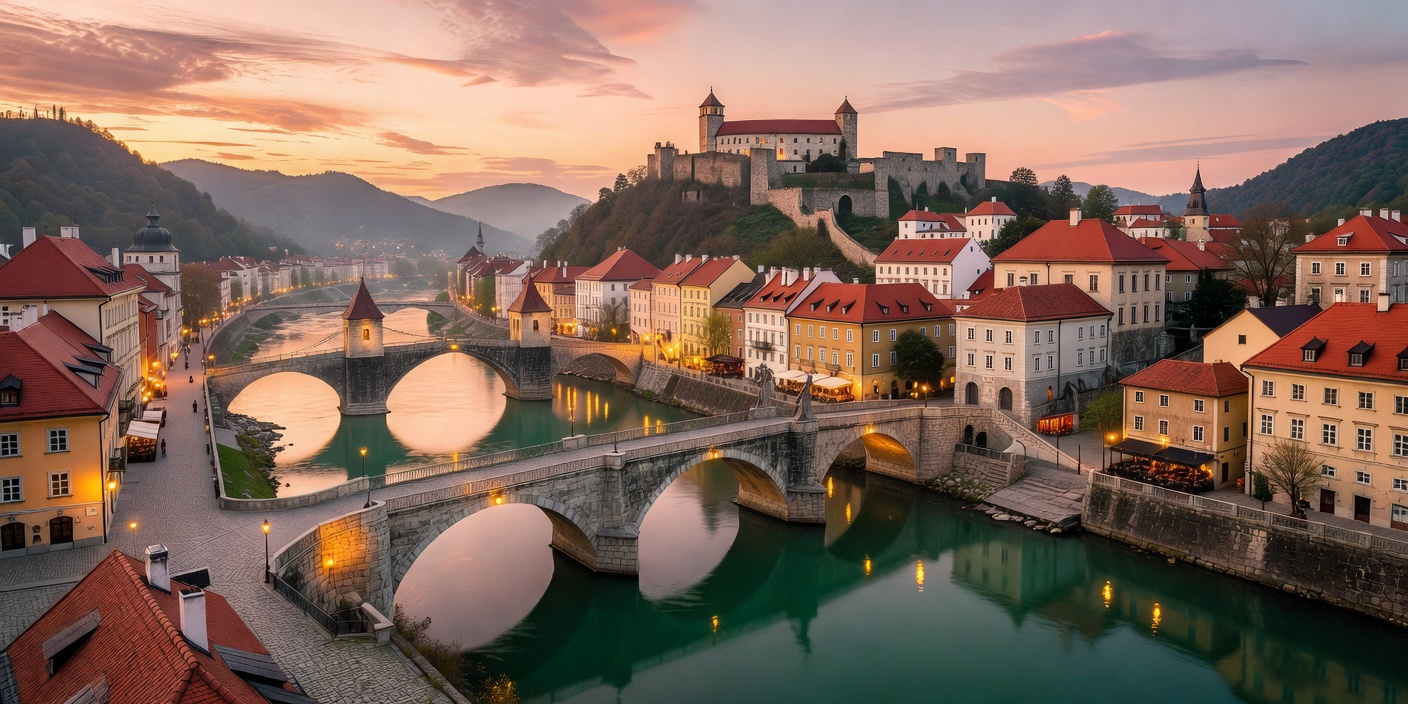
Slovenia's capital, Ljubljana, is an architectural masterwork. Between the World Wars, master architect Jože Plečnik transformed a provincial Austro-Hungarian administrative outpost into a modern European national capital. Rather than demolishing medieval quarters, Plečnik implemented subtle interventions, creating urban axes inspired by ancient Athens and Rome, using stone columns, water basins, native poplars, and decorative street lamps. In 2021, these works were inscribed as a UNESCO World Heritage site.
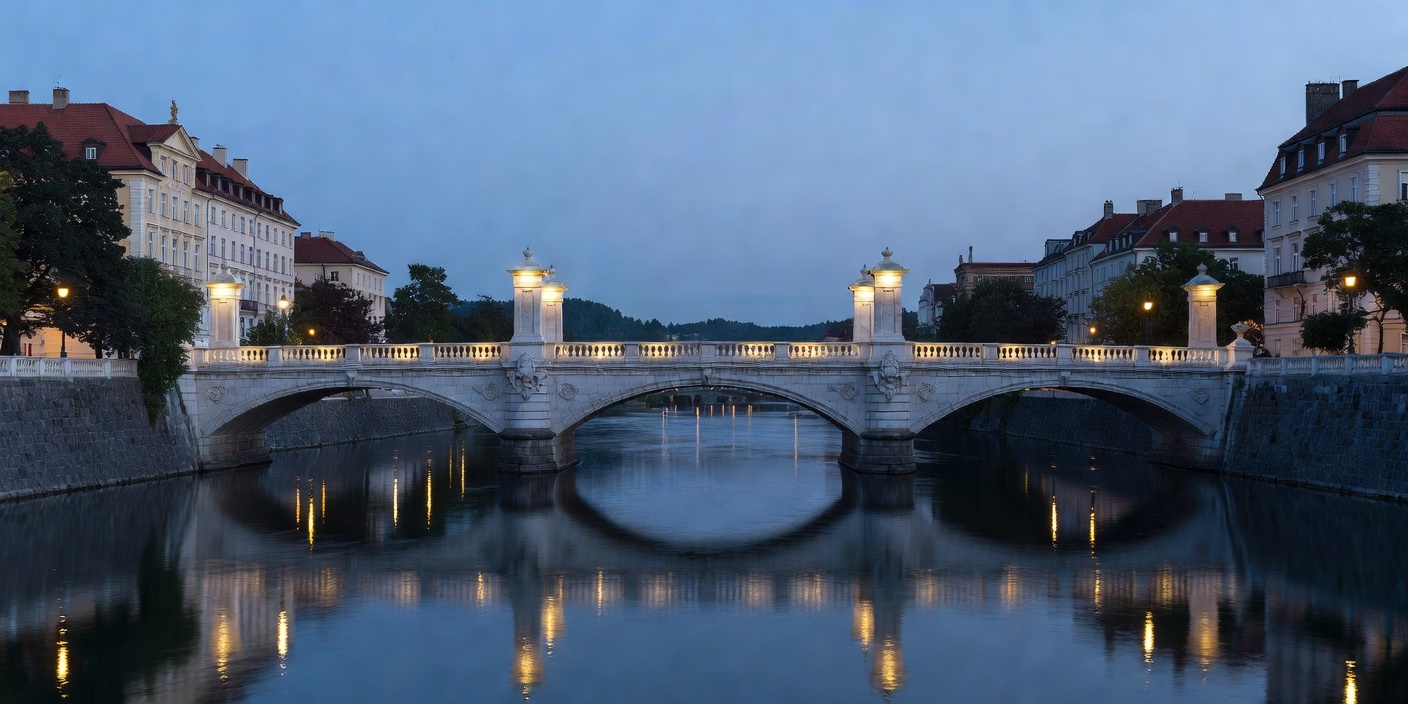
The urban spine centers along the embankments of the emerald Ljubljanica River. The Triple Bridge (Tromostovje) stands as Plečnik's most ingenious civic solution: adding two pedestrian bridges flanked by stone balustrades to an existing 1842 stone road bridge, seamlessly funneling pedestrian traffic from Prešeren Square into the historic Old Town. Immediately downstream, Plečnik’s Covered Market features two-tier riverside colonnades housing artisanal cheese mongers, fishmongers, and dry-cured meats, culminating at the Dragon Bridge (Zmajski most), an Art Nouveau masterpiece built in 1901.
The Capital Green Perimeter: Castle Hill & Tivoli Park
Rising above the riverbanks is Castle Hill (Grajski grič), topped by the medieval Ljubljana Castle. The complex incorporates Roman foundations, 15th-century defense walls built to repel Ottoman incursions, and modern glass-and-steel architectural additions. Visitors reach the summit via a silent electric funicular railway departing from Krek Square, or through shaded cobblestone paths winding up from the Old Town's Stari trg.
Civic Sustainability Metrics
Ljubljana's historic core has been entirely closed to motorized vehicular transit since 2007, creating a 12-hectare continuous pedestrian sanctuary. The city's innovative "Kavalir" program provides complimentary electric shuttle carts for elderly visitors and travelers with mobility considerations throughout the cobblestone zone.
To the west of the urban center lies Tivoli Park, designed in 1813 by French engineer Jean Blanchard. Spanning 5 square kilometers, the park connects directly to the forested slopes of Mount Rožnik, offering shaded trails, the Jakopič Promenade open-air photo gallery, and traditional wood-paneled cafes serving potica and espresso.
Kranjska Gora: High-Alpine Border Enclave
Traveling 84 kilometers northwest of Ljubljana brings you to Kranjska Gora (806 meters), nestled at the convergence of Slovenia, Austria, and Italy. Originally a secluded high-alpine farming village, it has evolved into a premier base for Julian Alps expeditions while retaining its traditional timber architecture.
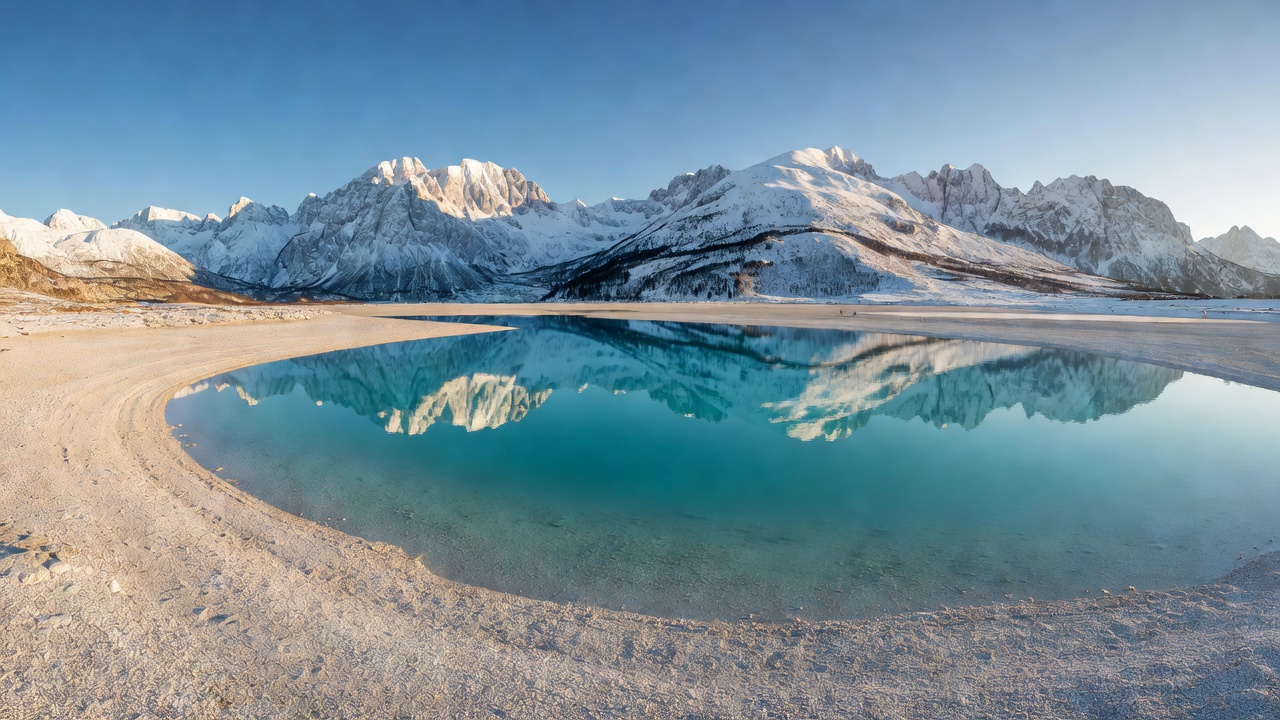
Immediately south of the village lies Lake Jasna, an artificial emerald alpine lake flanked by the peaks of Razor and Prisojnik. Guarded by the bronze statue of the mythical Zlatorog (the golden-horned alpine ibex), Lake Jasna features wooden observation piers, clear swimming platforms, and serves as the gateway to the Vršič Pass mountain road.
Historic Enclaves: Radovljica and Škofja Loka
Beyond the major alpine routes lie two exceptionally preserved medieval settlements:
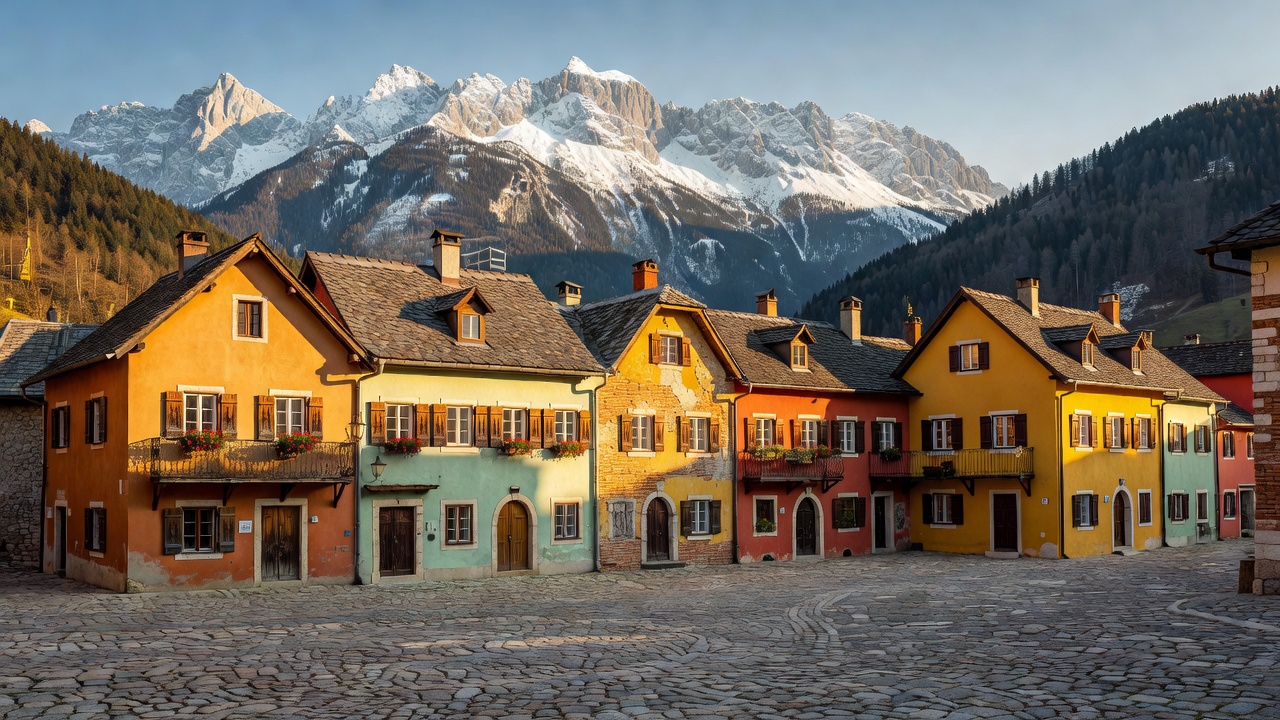
- Radovljica: Perched on a high glacial terrace overlooking the Sava River, Radovljica is celebrated as the cultural center of Slovenian apiculture (beekeeping) and gingerbread craftsmanship. The 14th-century Linhart Square (Linhartov trg) is enclosed by Gothic and Renaissance townhouses, including the Radovljica Manor and the renowned Lectar House, where traditional honey dough hearts have been shaped, baked, and painted since 1766.
- Škofja Loka: One of the oldest continuously inhabited settlements in Slovenia, Škofja Loka was founded in 973 AD as an estate of the Bishops of Freising. The Upper Square (Mestni trg) displays painted Renaissance facades, while the Capuchin Bridge—a 600-year-old single-arch stone bridge—crosses the Selca Sora river, leading up to the historic Loka Castle compound and museum.
Culinary Heritage: Carniolan Sausage and Traditional Potica
Upper Carniola and central Slovenia retain rich culinary customs centered on hearty mountain fare. The most recognized protected dish is the Carniolan Sausage (Kranjska klobasa), dating back to 1896. Prepared with premium coarsely ground pork, bacon, garlic, salt, and black pepper, it is hot-smoked over beechwood and traditionally served alongside sharp horseradish, grainy mustard, and sourdough bread.
For celebrations, no Slovenian meal is complete without Potica, an authentic rolled yeast pastry filled with crushed walnuts, tarragon, honey, and cream, baked inside a ribbed circular earthenware mold known as a potičnik. Sampling warm potica alongside a glass of crisp regional cider encapsulates centuries of Slovenian domestic culinary tradition.